
Somewhere between dream and waking, a child’s attempt to fix her brother becomes the first quiet lesson in how to carry him instead.
Mighty Mari
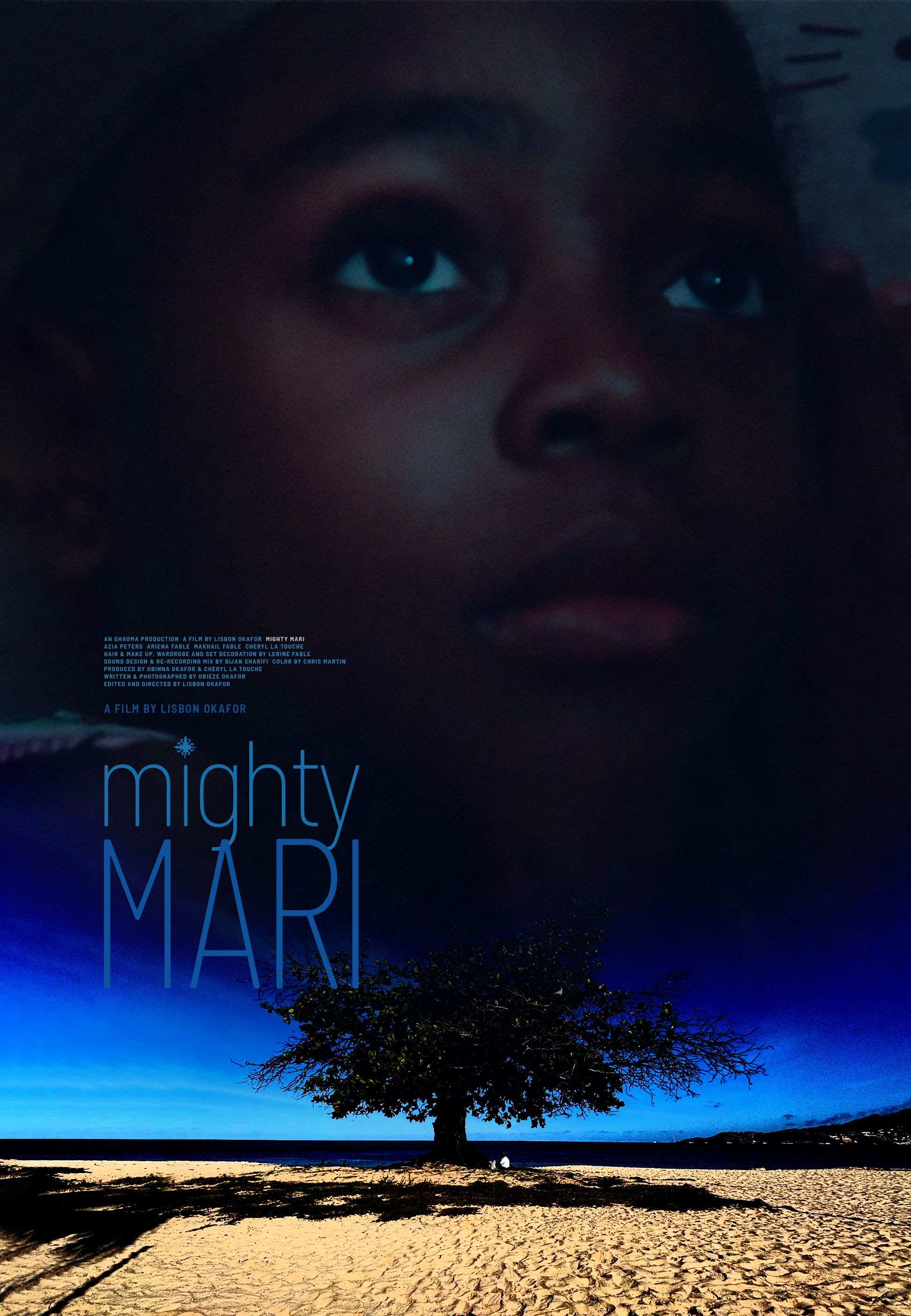
Convinced her dreams can fix her brother, eight-year-old Mari draws her skeptical sister to a hidden island in search of a necklace she believes holds the answer.
Synopsis
On a quiet Caribbean island, eight-year-old Mari struggles to keep up with her impulsive younger brother, who refuses to sleep in his own bed and whose constant outbursts disrupt their home, pushing her older sister Ana into a role far beyond her years. Mari feels both invisible and responsible, watching as her brother consumes the family’s attention and strains what little stability remains.
When Mari begins having recurring dreams of a distant beach, a lone tree, a silent woman, and a buried necklace, she seizes on them as a solution. In her mind, the dream offers a way to fix her brother, to calm him, and to restore balance at home.
Determined to act, Mari convinces Ana to follow a map she has drawn from memory and belief. Before dawn, the sisters sneak away with their brother to a small offshore island. There, Mari searches for the place from her dreams, convinced that what she finds will change everything.
But the journey does not unfold as she imagined. As the day unravels and the limits of her plan come into focus, Mari is forced to confront what she cannot control.
Years later, or perhaps only in reflection, the necklace and artifacts from the dream remain. What an adult Mari carries forward is not the solution she once believed in, but the shape it leaves behind in memory, in family, and in the ways we learn to carry one another.
Adinkra symbol —
Funtunfunefu Denkyemfunefu: The Siamese crocodile, two heads sharing one body, surviving together despite difference.

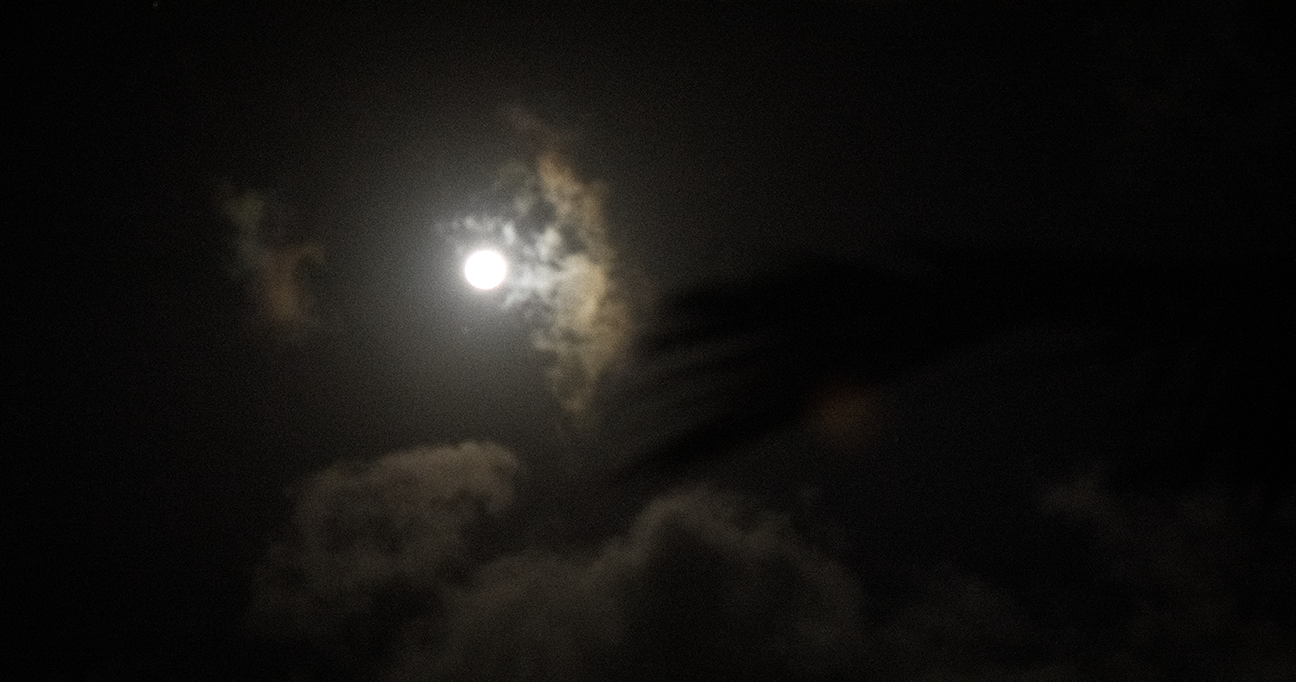
This story explores the heartbreak of realizing that our desire to protect someone can often become the cage that imprisons them. It is a tribute to the liberated soul, a critique of the silence forced upon girls, and a final, resonant reminder: we do not love people by changing them. We love them by finally, truly, looking at them and having the courage to leave them wild.
Filmmaker Statement
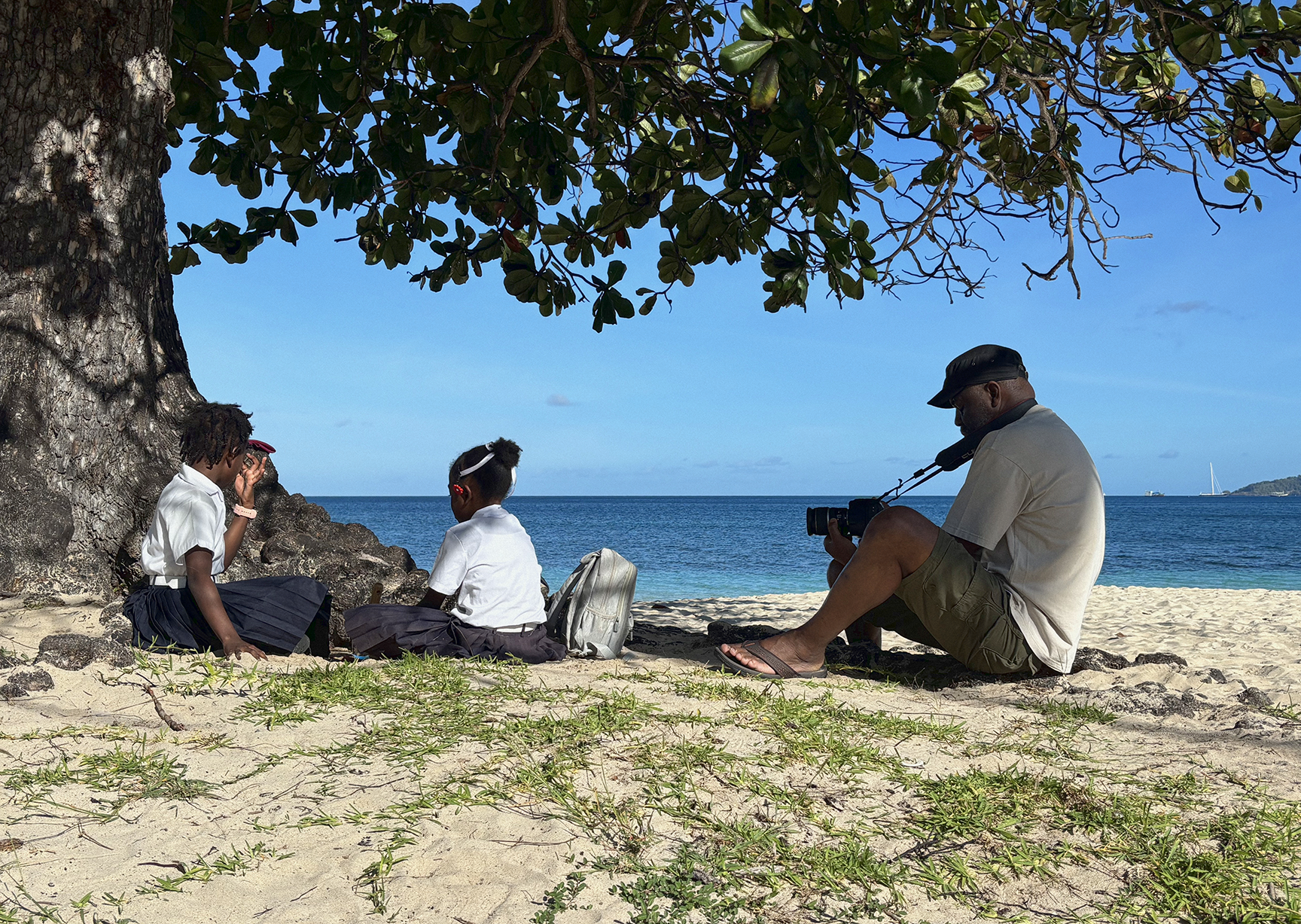
Cast
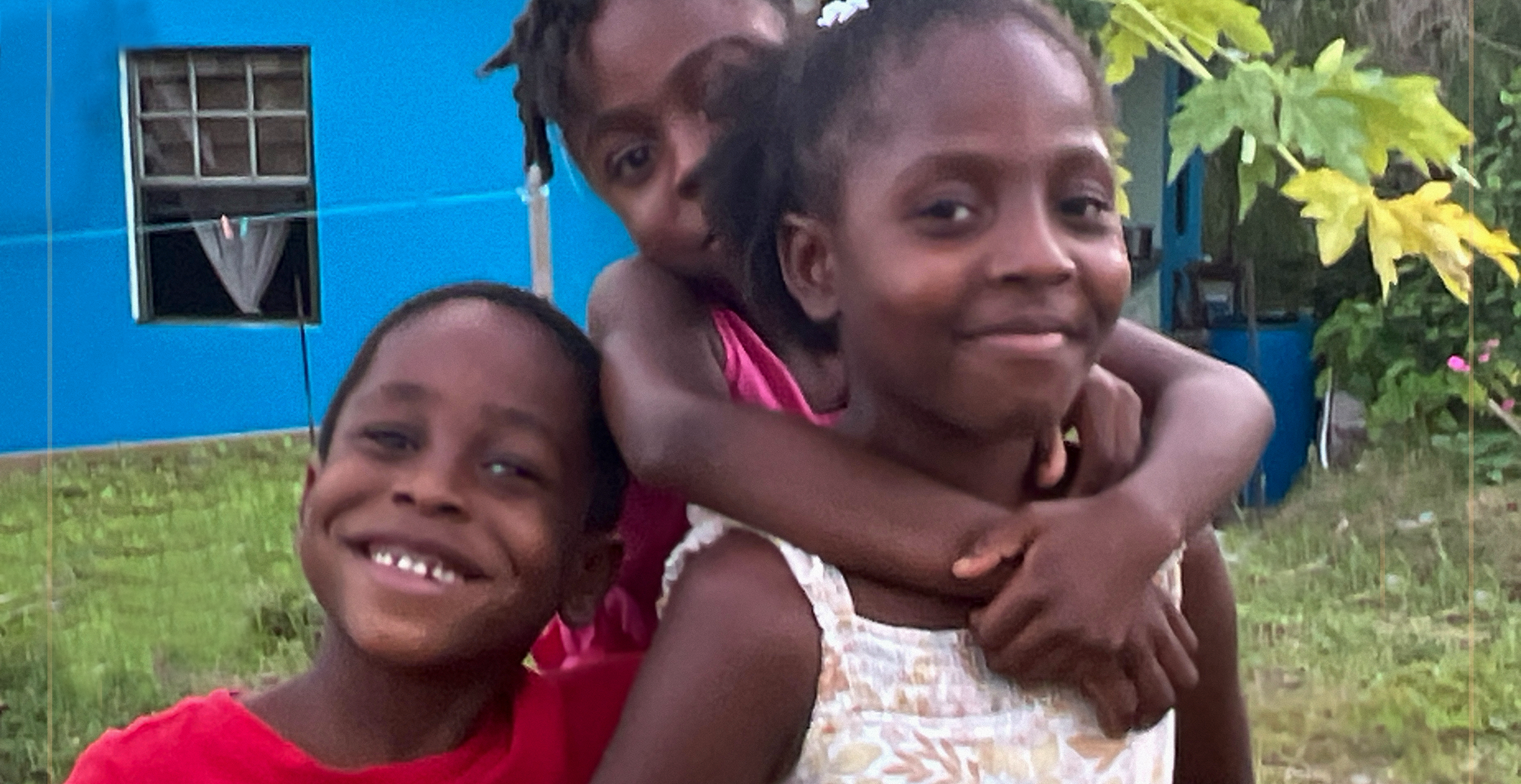
The cast of the film is led by fresh voices from Woburn Methodist School, Grenada, rooted in the natural chemistry of siblings.
Azia Peters (8) brings a selective, quiet intentionality to her role as Mari. She treats her performance not as a career path, but as a singular, meaningful experience. Her brother, Makhail Peters (6), provides a grounded, modern energy to the island’s mystical atmosphere. Makhail’s presence is marked by the same intensity he brings to video games, viewing cinema as a unique site of play rather than a vocation. Joining the Peters is Ariena Fable (10), a vibrant talent who shepherds the group with the seasoned heart of a dedicated performer. Ariena’s love of acting allows her to seamlessly integrate her passions for singing and dancing into a performance defined by expression.
Producers
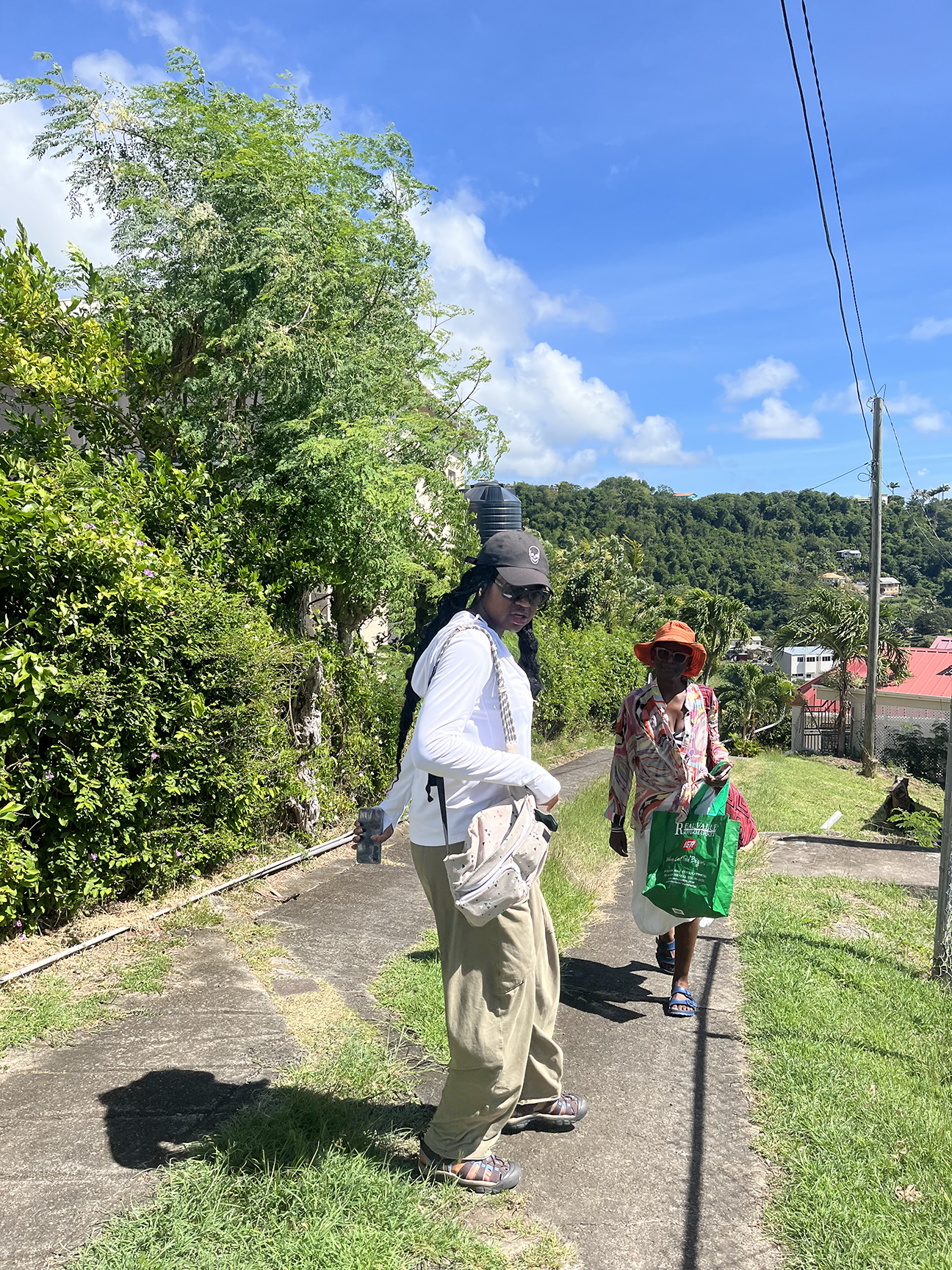
Obinna ‘Ninna’ Okafor brings a rigorous philosophical lens to the visceral world of independent cinema. She has concurrently forged a reputation as a multifaceted force in the San Francisco Bay Area arts scene, having cut her teeth as an assistant director, stage manager and performer. Born in Oakland, California, Ninna is pursuing a degree in Cognitive Science at CCSF.
Writer and Producer, Cheryl LaTouche is a Grenadian native, and multifaceted professional who has collaborated with Director Lisbon Okafor on multiple narrative films which were showcased at international and regional film festivals, such as Mill Valley Film Festival, Urbanworld Film Festival, ABFF, and others. Cheryl is the Founder and Executive Director of Friends of West Indian Children, a non-profit she started in 2012 in Grenada, to help improve lives by encouraging West Indian children to value the arts as a means for communication, self-expression, and cultural preservation. She is also the founder and owner of NoraOkafor, a retail home décor and fashion boutique, inspired by African textiles and her Caribbean heritage, with roots in USA, Nigeria, and Grenada.
Director
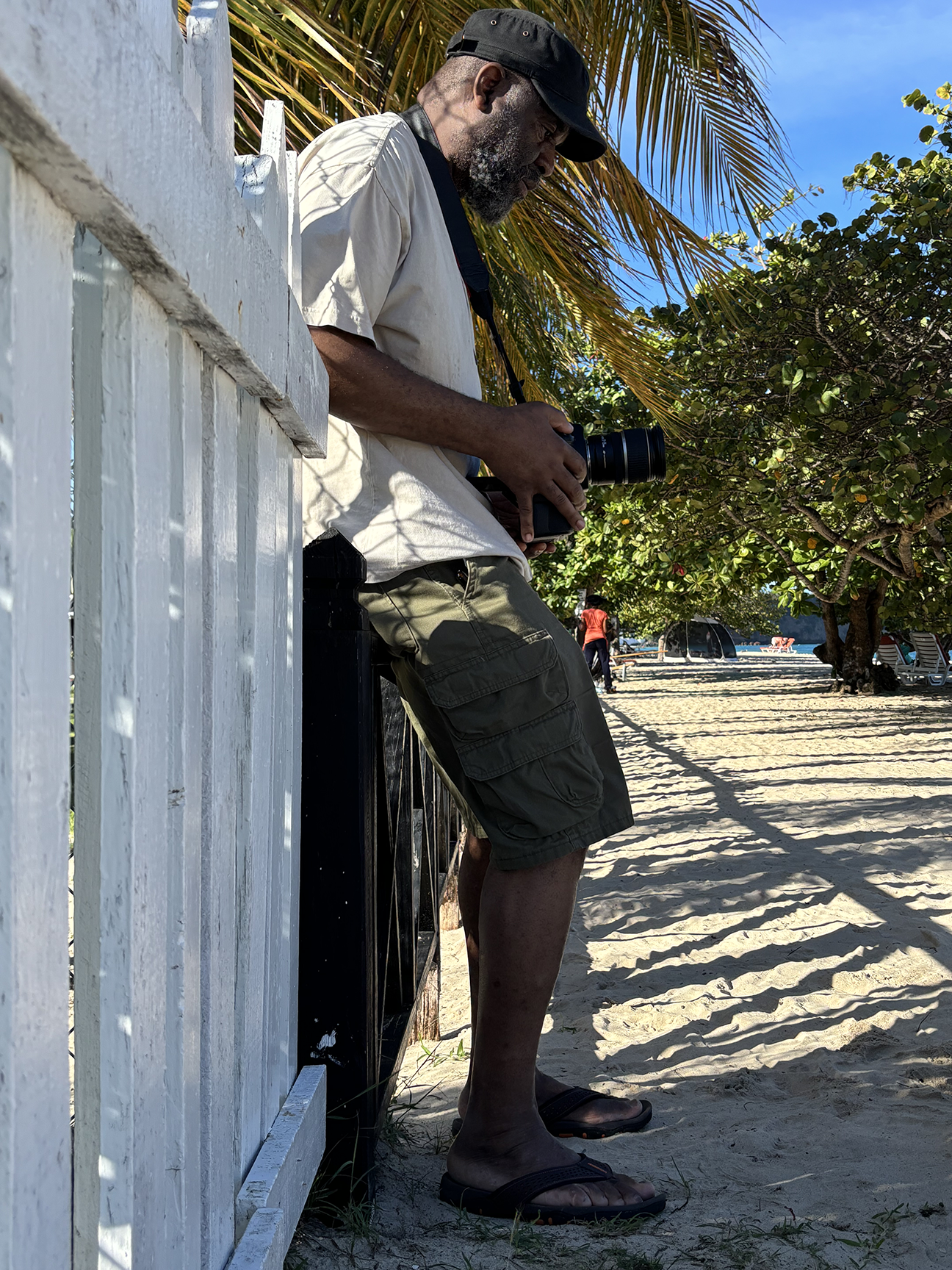
Lisbon Okafor’s films include, Ten-Cent Daisy (2023), Oakville (2013) and Jujuluv (2003). He has hundreds of commercials to his credit, and repped out of production companies like, HSI/Venus Productions, Coppos Films, and GreatGuns USA. A graduate of the Art Institute of Houston, Mr. Okafor served as Design Director for Smith & Hawken, Creative Director for Macy’s West and OSH, while founding his own production companies, Watarihouse in 2002, and OHAOMA in 2017.
Featuring: Lerine Fable, Odell Fable, Steven Collins, Simeon Collins, Scarlett Collins, and Cheryl LaTouche
Hair & Makeup, Wardrobe and Set Decorator: Lerine Fable
Sound Designer & Re-recording Mixer: Bijan Sharifi
Sound Effects Editor: Luke Bace
Colorist: Chris Martin
Writer & Cinematographer: Obieze Okafor
Editor: Lisbon Okafor
Treatment
On a quiet Caribbean island, three siblings share a cramped bedroom beneath the steady tick of a standing fan. Eight-year-old Mari sleeps on the top bunk. Below her, ten-year-old Ana tangles around their six-year-old brother, Badrick, who kicks and sprawls even in sleep, unaware of the space he takes.
Mari wakes from the same dream she’s been having for weeks. Mari does not yet understand it, only that it feels important.
In waking life, Badrick’s restless energy consumes the household. He ricochets through rooms, through routines, through the patience of parents already stretched thin. Ana has grown practiced at compensating, finishing homework neatly, correcting Badrick gently, bracing for his outbursts before they happen. Mari watches from the margins, absorbing the imbalance.
Convinced her dream is more than imagination, Mari shares it with Ana in whispers late at night. She believes a necklace buried under a tree on a remote beach in her dream can “fix” Badrick, can quiet him, calm him, make things easier for everyone. Ana is skeptical, but exhaustion softens her resistance. The sisters make a pact: they will not tell the adults.
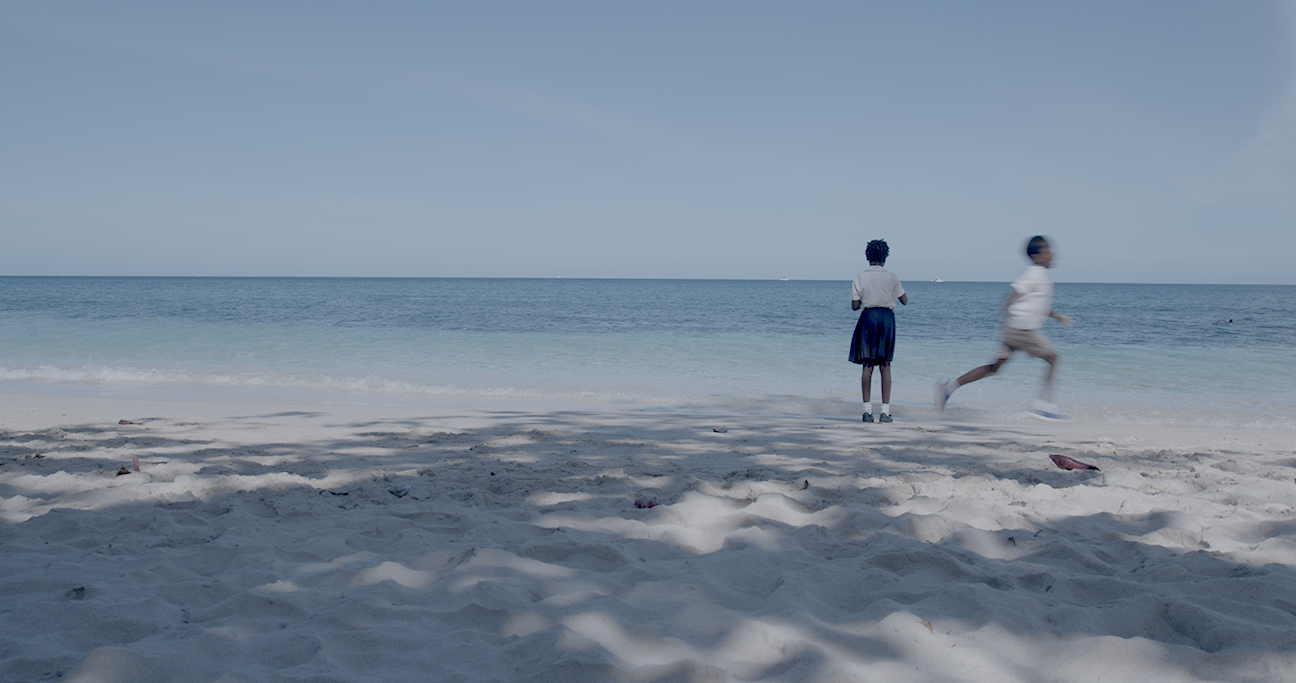
At dawn, dressed in crisp school uniforms that contrast their rebellion, the children sneak to the shore with their dog, Mbappe. Across the water lies a small, forbidden island — Zagada. Mari carries a crumpled hand drawn map and painting of the tree. Badrick leaps ahead, thrilled by the promise of treasure. Ana carries the weight of decision.
They commandeer a boat and cross to the island alone.
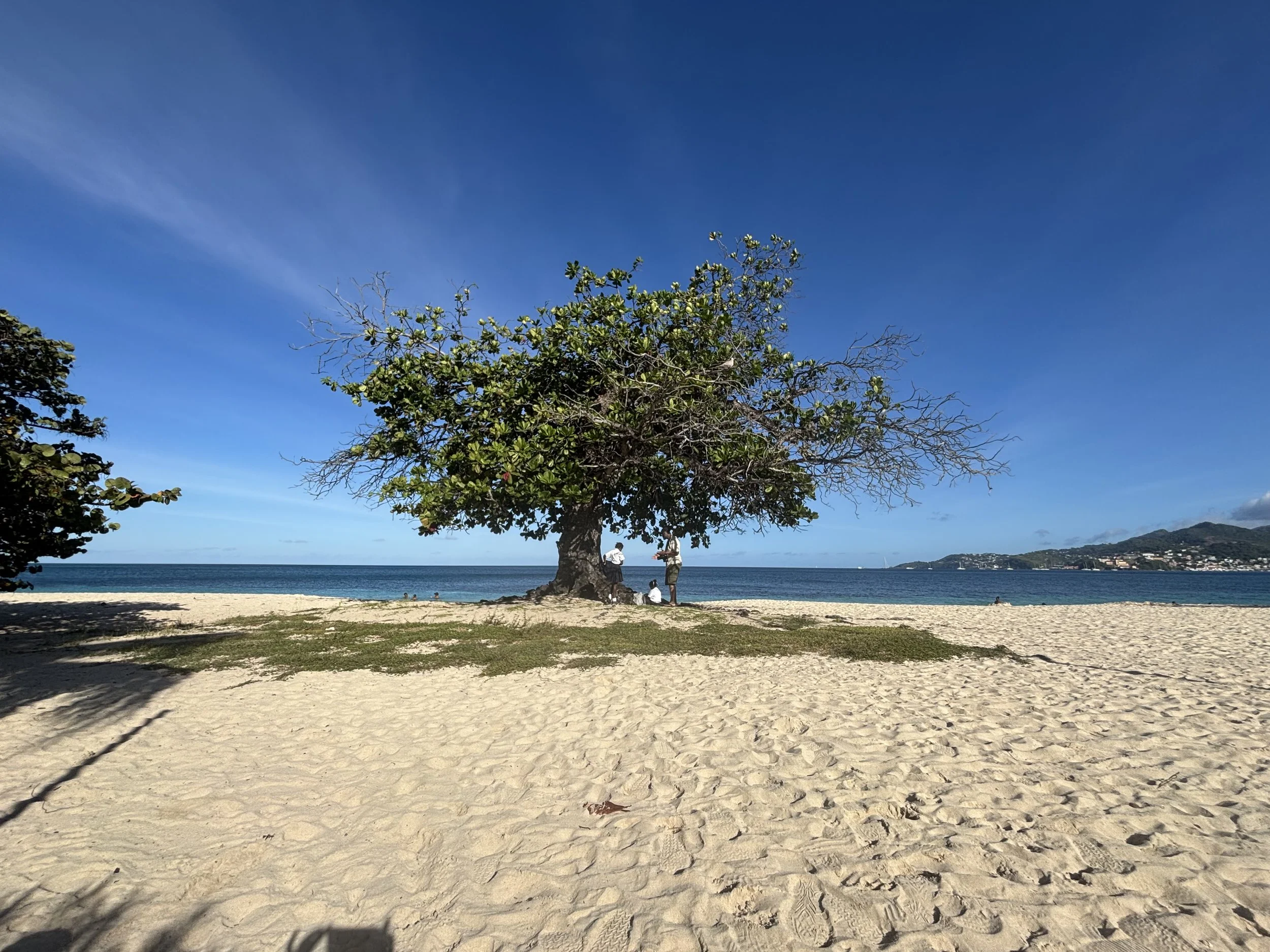
The journey through mangroves and abandoned dockways feels larger than the children themselves. On the far side, they discover a white stretch of beach and a lone walnut tree, impossibly like the one in Mari’s dream.
Mari marks the spot. Ana digs furiously. Sand flies. Hope rises.
At last, metal against stone.
They uncover a wooden-beaded necklace, weathered and strange. It is real. Mari trembles, not from fear, but from belief. She instructs Badrick to kneel. She presses the pendant against his chest with desperate conviction.
Nothing happens.
The necklace hangs uselessly between them.
Badrick grows bored, flings it away, and runs away laughing. Ana turns from the ritual, devastated. Mari stands in the silence of a belief collapsing.
Later, she buries the necklace again, gently this time. Not as treasure. As surrender.
The children return home. Life resumes its familiar pattern. The fan ticks. The bunks creak. Ana fights off Badrick in her sleep out of instinct. Mari is restless as ever.
But something subtle has shifted.
That night, Mari dreams again.
The silver beach returns. A Guardian Woman emerges from the tree. Badrick approaches wearing the blank mask. The Guardian removes it herself and places the necklace around his neck. She cups his face with a tenderness that carries both grief and acceptance. He is calm, not fixed, not transformed — simply seen.
When Mari wakes, Badrick climbs down from Ana’s bed spontaneously, and walks out of the room, whispering goodnight to Mari. Ana shifts in her sleep, her body lighter without the weight against her. Mari settles into bed, her lips curving into a hard-earned smile.
The wind moves through coconut trees.
Years later, or perhaps only in the clarity of reflection, the Guardian stands in a quiet cottage overlooking the sea. Artifacts from the dream rest on shelves like everyday objects: the mask, the paintings, as if they belonged to an older Mari. She steps onto a balcony, coffee mug in hand. Printed on it is an Adinkra symbol — the Siamese crocodile, two heads sharing one body, which symbolizes a truth she now lives: surviving together despite difference.
What once felt like magic now feels like memory.
And somewhere between dream and waking, a child’s attempt to fix her brother becomes the first quiet lesson in how to carry him instead.
Fade to black.
Contact Us
c o m i n g s o o n
c o m i n g s o o n